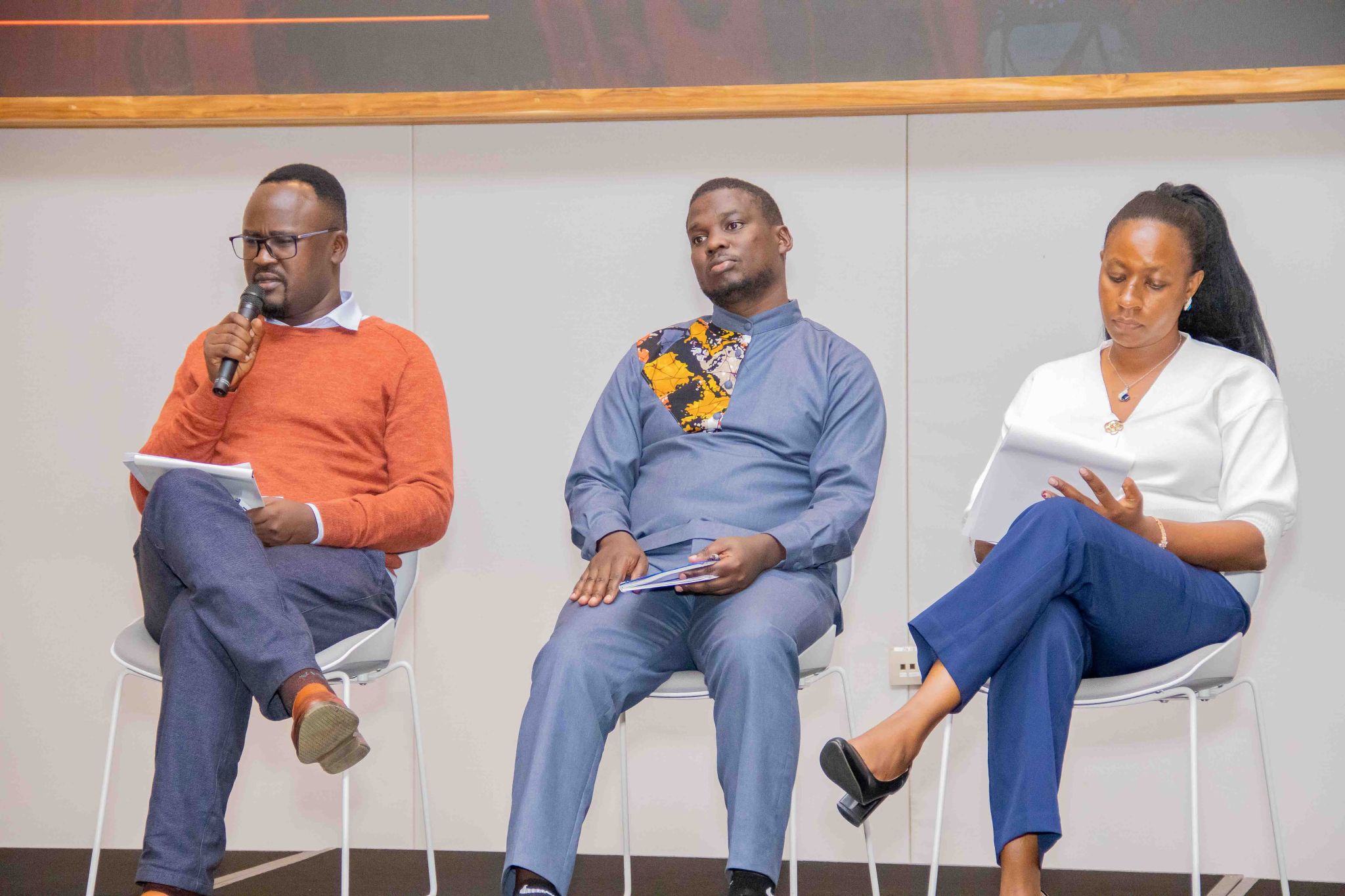
Mount Kenya University (MKU) continues to contribute to national conversations on sustainable development and community resilience through the expertise of its academic and administrative leaders.
Dr. Gordon Ocholla, MKU Kisumu Centre Coordinator, was among the panelists at the 12th National Symposium for Disaster Risk Reduction, held from 10–12 October 2026 in Nakuru County, Kenya. Organised by the National Disaster Operations Centre (NDOC), the symposium was held under the theme “Resilience Starts at Home.” Where he joined national and international stakeholders in advancing inclusive, community-centred approaches to disaster preparedness and resilience.
The symposium brought together stakeholders from government, academia, civil society, and international development agencies, including the United Nations Development Programme (UNDP), the United Nations Population Fund (UNFPA), and other institutions working to strengthen disaster preparedness, response, and recovery.
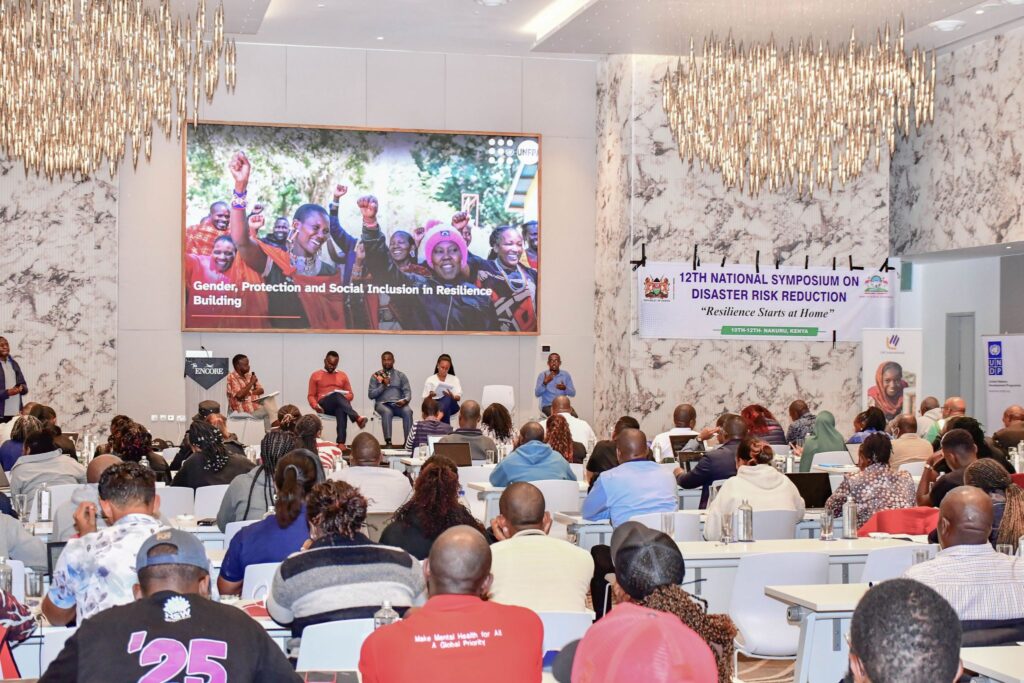
Dr. Gordon participated in a panel discussion on Gender, Protection and Social Inclusion in Resilience Building, moderated by John Wafula of UNFPA. The discussion examined how disaster resilience initiatives can respond to the diverse needs, vulnerabilities, and lived experiences of different members of society.
The deliberations underscored the need to address structural inequalities that influence how communities prepare for, respond to, and recover from disasters. Participants also highlighted the importance of integrating protection, gender-based violence prevention, and sexual and reproductive health considerations into disaster management strategies.
The discussion further emphasised that women, children, persons with disabilities, and older persons should have meaningful roles in decision-making processes, while local communities should be recognised as key partners whose knowledge and priorities inform resilience planning.
Participants also called attention to the need for equitable financing, stronger accountability, and the allocation of resources to communities facing the greatest risks.
Reflecting on the discussions, Dr. Gordon emphasized that disaster resilience goes beyond recovering from emergencies. It also requires confronting the inequalities that determine who is most exposed to risk, who has the resources to cope, and whose voice is heard during recovery. His participation highlights the importance of bringing diverse professional perspectives and practical insights into national policy and development conversations.
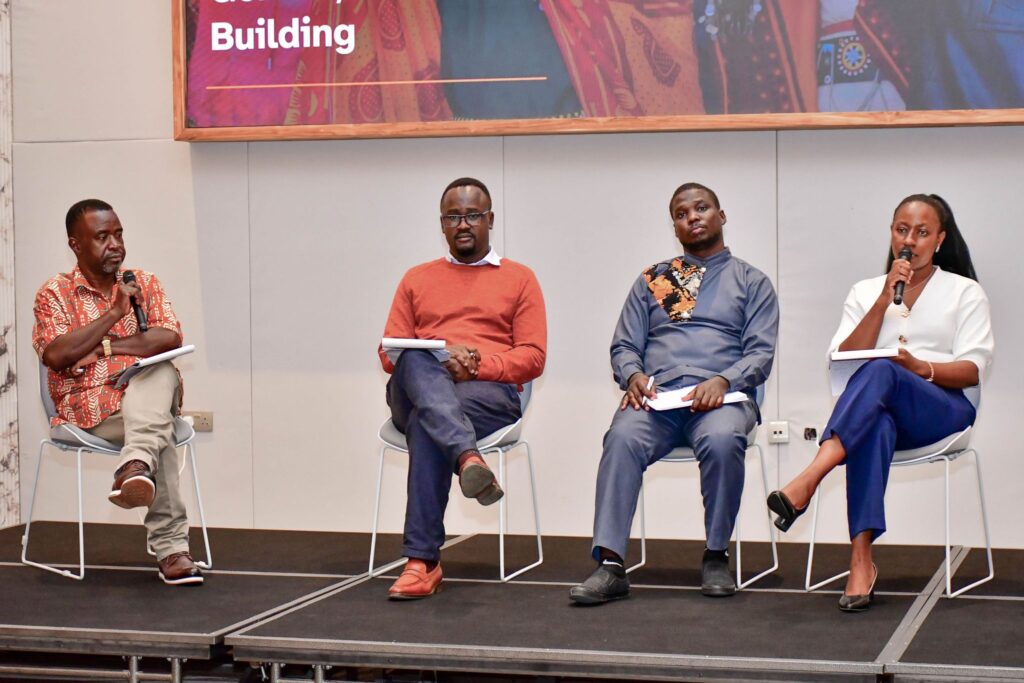
For Mount Kenya University, the engagement reflects the value of sharing institutional expertise beyond the classroom and contributing to dialogue that addresses real-world challenges affecting communities.
Through the participation of its leaders in professional and national forums, MKU continues to support knowledge exchange, inclusive development, and solutions that contribute to more resilient communities.
Mount Kenya University supports the United Nations Sustainable Development Goals (SDGs) and serves as the United Nations Academic Impact Hub Chair for SDG 9: Industry, Innovation and Infrastructure for 2025–2027.
Dr. Ocholla’s contribution to discussions on gender, protection and social inclusion aligns with SDG 5: Gender Equality and SDG 10: Reduced Inequalities.
MKU also offers programmes that equip learners with skills relevant to gender advocacy, peacebuilding, security and governance, including the Bachelor of Arts in Justice and Security Studies, Bachelor of Arts in Peace Studies and Conflict Resolution, Bachelor of Arts in Public Administration and Governance, Diploma in Peace Studies and Conflict Resolution, and Diploma in Security Studies and Criminology.
#MKU #DisasterRiskReduction #ResilienceStartsAtHome #SocialInclusion #CommunityResilience


