
From Campus to Esports Arena: MKU & MKUR Students Compete
Students from Kenya and Rwanda showcase how education, technology, sports and innovation are converging in the digital age
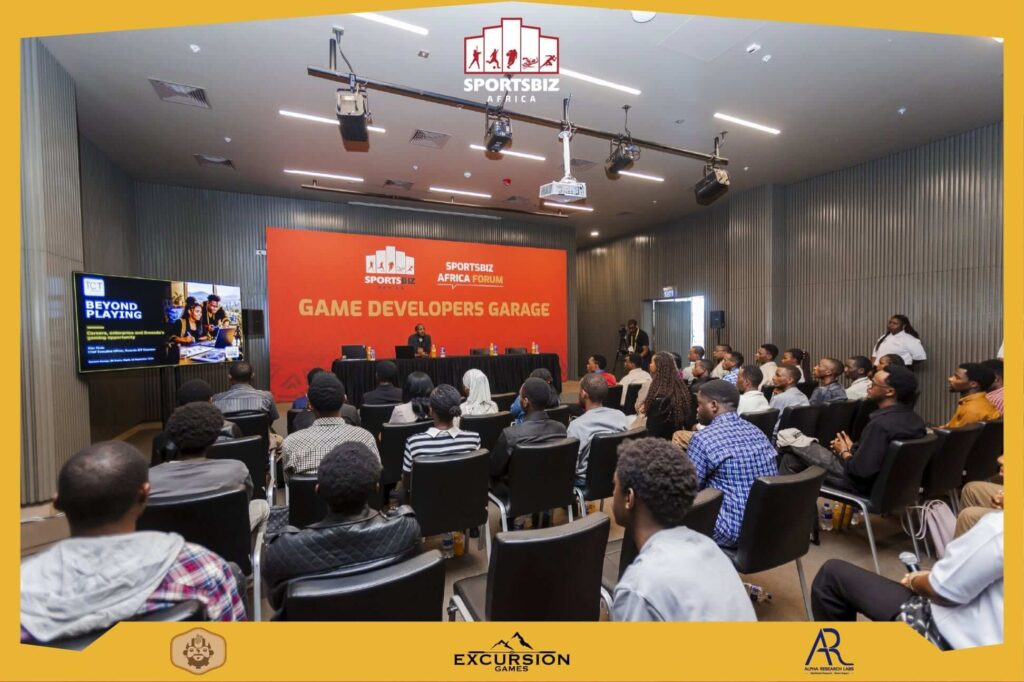
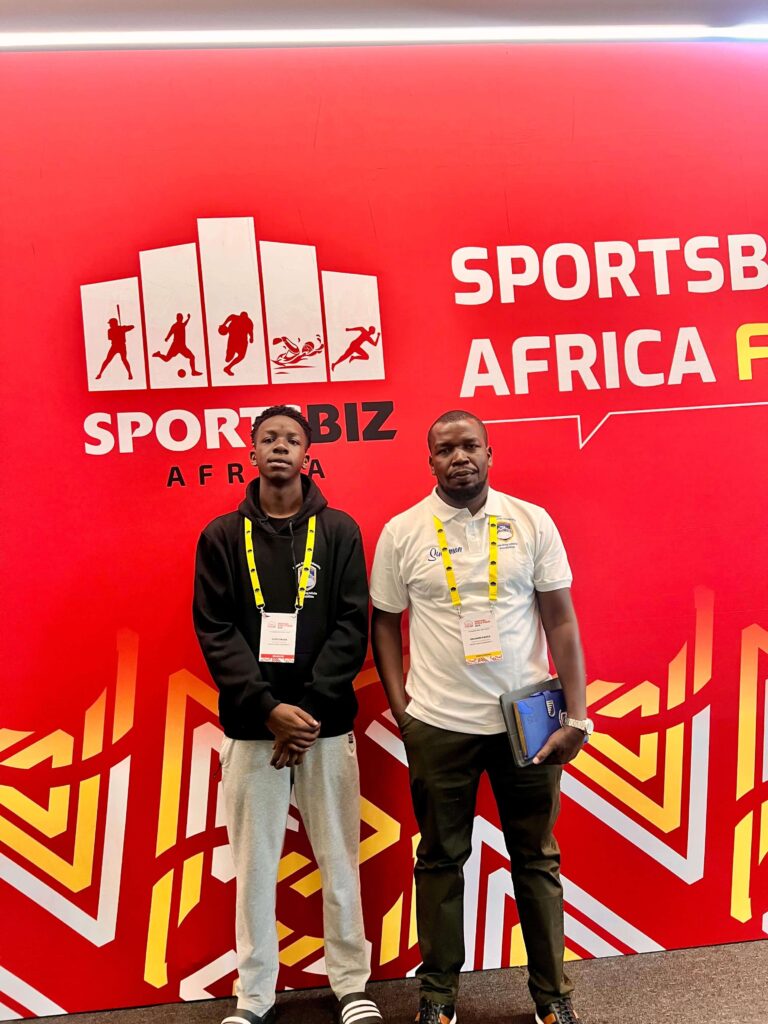
Mount Kenya University (MKU) and Mount Kigali University are taking student talent beyond the classroom and onto the regional esports stage, with two students set to represent their respective institutions at the SportsBiz Africa Forum & Esports Tournament.
Representing MKU is David Owuor, popularly known as Dav8, while Franklin Gacinya, known as FranklinG10, will represent Mount Kigali University.
Their participation highlights the growing role of esports in student development and its emerging connection to technology, business, creativity, digital skills and the wider sports industry.
More than a gaming competition, the tournament provides the two students with an opportunity to test their competitive abilities, interact with other players and stakeholders, and gain exposure to an industry that is rapidly evolving across Africa.
Meet the Student Esports Athletes
David Owuor – Mount Kenya University
Gamer Tag: Dav8
David Owuor is a second-year student pursuing a Bachelor of Hospitality Management at Mount Kenya University.
Alongside his academic journey, David has developed his passion for competitive esports, representing Santiago Ehub Gamers and the university’s esports team.
His participation at the SportsBiz Africa Forum & Esports Tournament demonstrates how students can pursue their academic ambitions while developing skills and experiences in emerging digital industries.
For David, esports represents an avenue through which technology, competition, teamwork and creativity come together.
Student Profile
- Name: David Owuor
- Gamer Tag: Dav8
- Course: Bachelor of Hospitality Management
- Year of Study: Second Year
- Institution: Mount Kenya University
- Esports Team: Santiago Ehub Gamers
Franklin Gacinya – Mount Kigali University
Gamer Tag: FranklinG10
Franklin Gacinya is a fourth-year student at Mount Kigali University, pursuing a Bachelor of Business and Information Communication Technology (ICT).
His academic background brings together business and technology—two fields that are increasingly central to the growth of Africa’s digital economy.
Franklin’s participation in the tournament provides an opportunity to apply and strengthen practical skills in areas such as communication, teamwork, strategic thinking, decision-making and digital technology.
His journey also demonstrates how emerging industries can create opportunities for students to connect classroom knowledge with real-world experiences.
Student Profile
- Name: Franklin Gacinya
- Gamer Tag: FranklinG10
- Course: Bachelor of Business and Information Communication Technology
- Year of Study: Fourth Year
- Institution: Mount Kigali University
- Age: 22
Beyond the Classroom
The participation of David and Franklin reflects a broader understanding of university education—one in which student development extends beyond lectures, examinations and academic qualifications.
Esports provides a platform through which students can develop and demonstrate a range of transferable skills, including: Teamwork and collaboration, strategic thinking, Communication, Decision-making, Problem-solving, Digital literacy, Leadership, Discipline and time management, Creativity and Competitive resilience
These capabilities are increasingly valuable in a technology-driven economy, where graduates are expected to complement academic knowledge with practical skills, adaptability and the ability to work effectively with others.
Where Technology Meets Sports and Business
Esports sits at the intersection of several industries, bringing together gaming technology, digital platforms, broadcasting, content creation, communications, entertainment, marketing and business.
This multidisciplinary nature creates opportunities that extend far beyond competitive gaming.
For students, participation in esports can provide exposure to areas such as event management, hospitality, digital marketing, media production, technology, business development, communications and broadcasting.
The academic backgrounds of the two students illustrate this intersection.
David’s studies in Hospitality Management connect naturally with the events, hospitality and experiential side of the sports and entertainment industry, while Franklin’s Business and ICT background aligns with the technology, business and digital dimensions of esports.
Together, their participation demonstrates how emerging industries can bring students from different academic disciplines into a shared ecosystem.
The SportsBiz Africa Forum provides a platform for engagement among players and stakeholders across Africa’s sports and business ecosystem.
The accompanying esports tournament gives David and Franklin an opportunity to compete against other players while carrying the identity of their respective universities onto a regional platform.
Their participation also provides an opportunity for MKU and Mount Kigali University to demonstrate their commitment to creating opportunities through which students can engage with emerging technologies, industries and professional networks.
Africa’s digital economy continues to create new career pathways and professional opportunities, making it increasingly important for universities to expose students to practical experiences beyond traditional academic settings.
Competitions, technology platforms, innovation programmes and industry engagements can help students develop confidence, networks and practical skills that complement their academic qualifications.
Supporting student participation in esports is therefore part of a wider conversation about how universities can prepare graduates for a changing world of work.
The participation of David Owuor and Franklin Gacinya is more than a university representation at an esports tournament. It is an example of what can happen when education, technology, sports and innovation converge.
As David steps into the competition arena representing Mount Kenya University and Franklin represents Mount Kigali University, the two students embody a generation of African students exploring new ways to learn, compete, innovate and create opportunities in the digital age.
From the classroom to the arena, the future is digital.


